
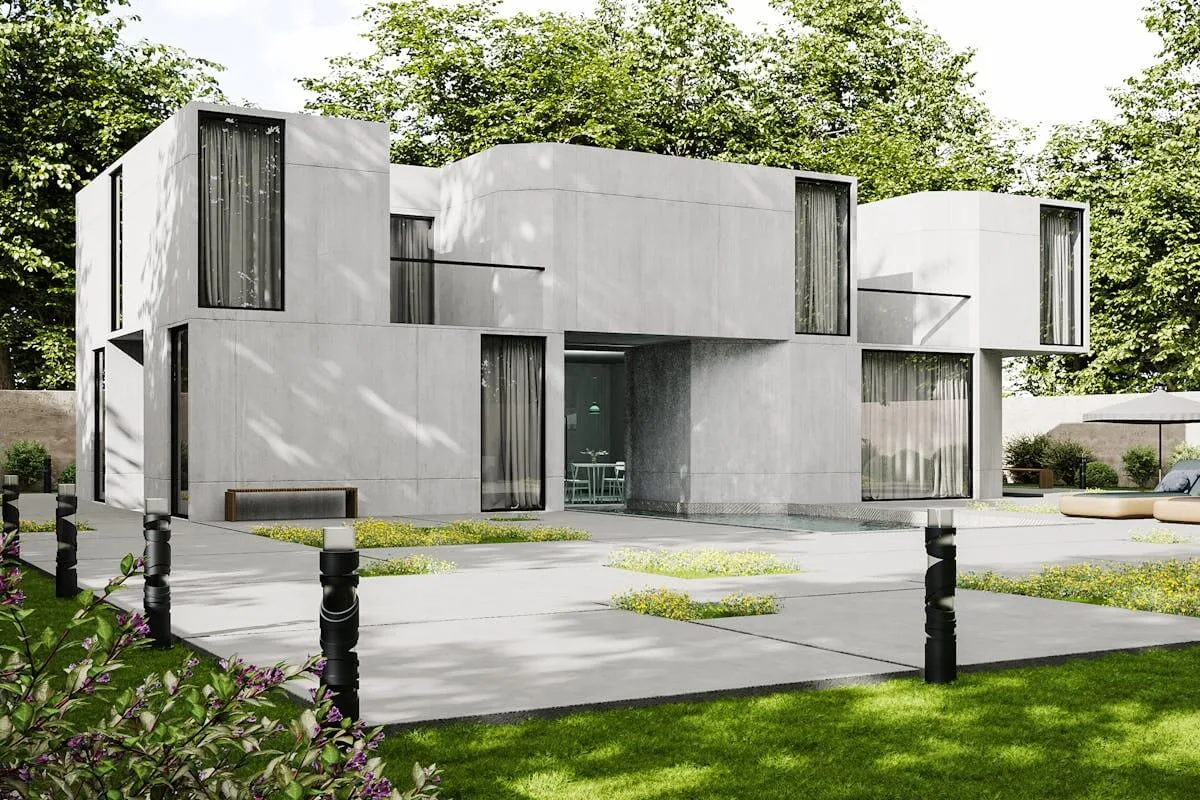
 Melbourne’s climate is as diverse as its people — chilly winters, scorching summers, and everything in between. For those building a new home, this presents both a challenge and an opportunity. The key to creating a comfortable, efficient and long-lasting home lies in understanding how the local environment works — and designing accordingly.
That’s where a sustainable home builder can make a real difference. Rather than relying solely on technology to fix comfort problems, sustainable design focuses on working with nature instead of against it. The result? A home that costs less to run, feels better to live in, and leaves a lighter footprint on the planet.
Getting the orientation right
The starting point for any sustainable house design is orientation. How your home sits on your block determines how much sunlight it captures in winter and how effectively it avoids overheating in summer.
Here are some practical design choices that make a huge difference:
- North-facing living areas allow for maximum natural warmth during the colder months.
- Eaves and shading protect your home from Melbourne’s harsh summer sun.
- Strategic window placement encourages natural airflow and ventilation.
- Thermal mass materials — like concrete floors or brick walls — help stabilise internal temperatures.
By using these simple yet powerful techniques, homeowners can cut down on artificial heating and cooling while maintaining year-round comfort.
Choosing materials that work with nature
A truly sustainable home isn’t just about solar panels — it’s about every choice that goes into the build. Selecting materials that suit Melbourne’s changing climate can greatly impact energy performance, durability, and comfort.
A few smart material choices include:
- Insulated walls and roofing to reduce heat loss in winter and keep interiors cool in summer.
- Low-emissivity (Low-E) glass to manage heat transfer while allowing in natural light.
- Locally sourced bricks and timber to minimise transport emissions and support local industries.
- Recycled and renewable materials like reclaimed wood, bamboo, or low-carbon concrete.
Sustainable materials don’t just help the planet — they improve indoor comfort and lower ongoing maintenance costs.
Efficient layouts for everyday living
Sustainability doesn’t end with the building envelope. The layout of your home plays a huge role in how efficiently it functions.
A good custom home builder will think about how spaces are used throughout the day and design accordingly. For example:
- Bedrooms can be positioned on the cooler side of the home for better sleep.
- Living zones can take advantage of natural light and cross ventilation.
- Bathrooms and laundries can be grouped together to reduce plumbing runs and heat loss.
- Flexible spaces can adapt to your needs as your family grows.
By designing around how you live, rather than forcing you to fit into a standard plan, you’ll create a home that’s not just sustainable — but practical.
Integrating renewable energy and water systems
Once your home is designed efficiently, renewable systems can take its performance even further. Melbourne’s weather might be unpredictable, but with modern technology, it’s easier than ever to harness energy and water smartly.
Consider adding:
- Solar panels and battery storage to generate and store your own power.
- Rainwater tanks for garden irrigation and toilet flushing.
- Greywater recycling systems to reuse water safely and sustainably.
- Smart home systems that monitor and optimise energy usage.
These systems not only reduce your bills — they future-proof your home for decades to come.
Building with comfort in mind
A sustainable home is more than a collection of eco-friendly features. It’s a place where temperature, light, and air quality work together to create a sense of well-being.
Here’s how design affects comfort:
- Cross ventilation reduces the need for air conditioning in summer.
- High-quality insulation keeps heat in during winter and out during summer.
- Natural light boosts mood and reduces reliance on artificial lighting.
- Healthy materials like low-VOC paints improve indoor air quality.
It’s these details — often overlooked in mass-produced homes — that make sustainable design so rewarding to live in.
Working with the right builder
Not every builder understands the intricacies of sustainable design. It requires technical knowledge, hands-on experience, and a genuine commitment to doing things properly.
When choosing a sustainable home builder, look for:
- A proven track record of energy-efficient projects
- Transparent advice on materials, costs and long-term savings
- An understanding of local council regulations and sustainability ratings
- A collaborative approach that encourages your input throughout the process
The best builders combine craftsmanship with environmental awareness — ensuring every design decision aligns with both aesthetics and performance.
The long-term benefits of sustainable living
While the upfront cost of building sustainably can sometimes be higher, the long-term rewards far outweigh the initial investment. You’ll enjoy lower energy bills, fewer maintenance issues, and a home that stands up to Melbourne’s ever-changing weather.
And beyond the personal benefits, there’s the satisfaction of knowing your home contributes positively to the environment — reducing emissions, saving water, and supporting a more sustainable future for the community.
Living in a sustainably designed home isn’t just about eco-consciousness. It’s about comfort, health, and smart living — values that never go out of style.
Final thoughts
In Melbourne’s unpredictable climate, smart design isn’t a luxury — it’s a necessity. A home that’s built to work with nature, not against it, will always offer greater comfort and efficiency.
Whether you’re starting fresh or planning a renovation, working with a custom builder in Melbourne who understands sustainable design will help you create a home that feels good, looks great, and performs beautifully for years to come.