
What You Need to Know Before Starting a Period Home Project
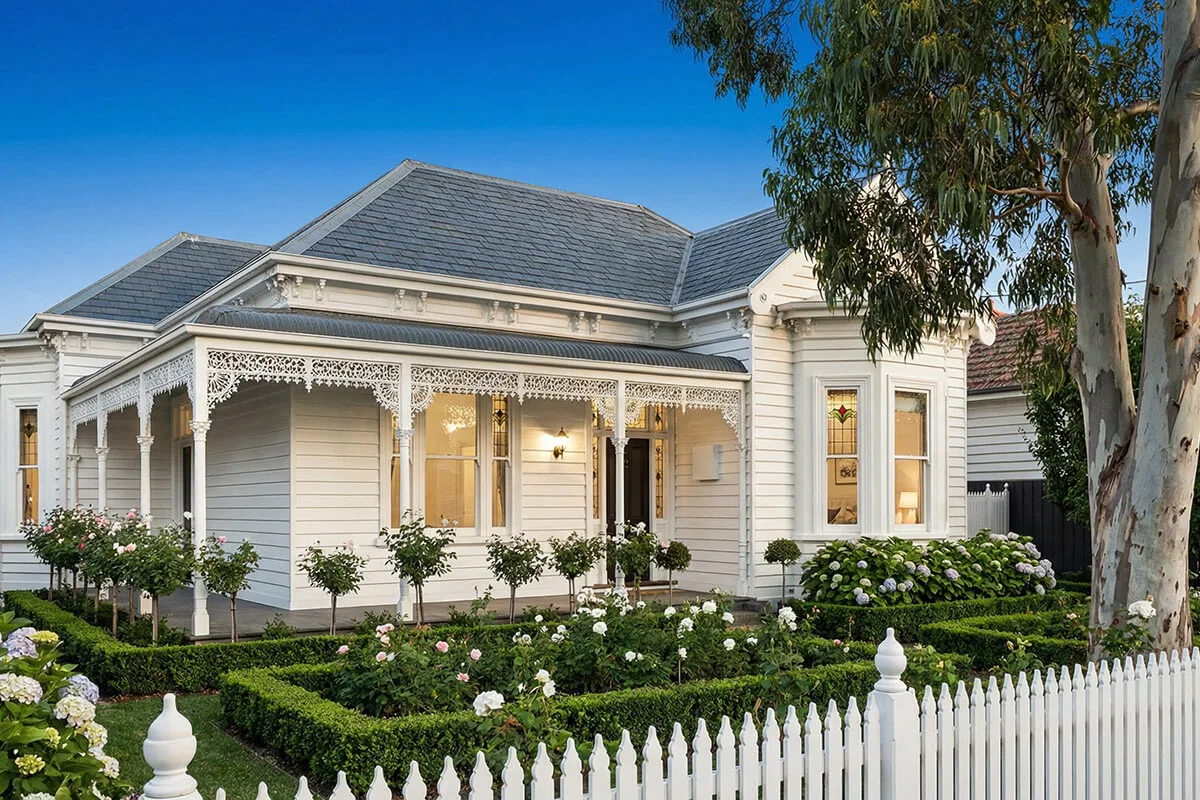 Melbourne’s heritage neighbourhoods are some of the most character-filled in Australia. From Victorian terraces in Carlton and Edwardian homes in Kew, to Federation bungalows scattered across the eastern suburbs, each property contributes to the city’s unique visual identity. Owning a heritage home means becoming a custodian of this history — and with that comes both privilege and responsibility.
For homeowners planning a renovation, extension, or restoration, the process requires sensitivity, patience, and a deep respect for the architectural language of the era. This is why many people turn to experienced period home builders in Melbourne who understand not only the practical challenges but also the cultural value of these historic properties.
Why heritage overlays matter
Most heritage homes in Melbourne fall under a heritage overlay, which is designed to protect their historical and architectural significance. These overlays don’t prevent you from renovating or extending — but they do shape how changes are made.
Understanding your overlay is essential. It may dictate:
- Which parts of the façade must remain untouched?
- What materials can be used
- How rooflines, windows, and additions must appear from the street
- Whether modern elements need to be concealed behind the original structure
- What landscape elements must be preserved
Before beginning any design work, a heritage assessment and review of council guidelines is crucial. Boutique home builders who specialise in heritage homes often work closely with heritage consultants or architects to ensure everything complies with local regulations.
Respecting the original character
A successful heritage project doesn’t involve copying every old detail, nor does it involve ignoring them. It’s about creating harmony between old and new — preserving what makes the home special while adapting it for modern living.
When restoring or extending a heritage home, common principles include:
- Preserving street-facing elements such as verandas, decorative trims, chimneys, and leadlight windows
- Retaining original proportions like high ceilings, deep cornices, and long hallways
- Restoring rather than replacing wherever possible
- Choosing sympathetic materials that blend seamlessly with the existing structure
- Hiding modern additions behind the original façade
Good heritage design celebrates the craftsmanship of the past while making room for the comfort and practicality families need today.
Integrating modern living into period homes
Heritage homes are undeniably charming, but they often need updates to suit contemporary lifestyles. Small, disconnected rooms, dim lighting, and limited storage can all be challenges. That’s where carefully planned floor plans and modern extensions come in.
Modern enhancements commonly include:
- Open-plan living areas that connect the kitchen, dining, and family spaces
- Light-filled extensions with glazing that doesn’t impact the heritage façade
- Kitchen upgrades designed for everyday cooking and entertaining
- Bathroom renovations with modern plumbing and energy-efficient fixtures
- Improved storage solutions, often hidden behind period-style cabinetry
A skilled boutique home builder will approach these upgrades with a sense of continuity, ensuring the transition between heritage and contemporary remains cohesive and respectful.
Sustainable upgrades without compromising character
Older homes may be beautiful, but they’re rarely energy-efficient in their original form. Poor insulation, draughty windows, and ageing materials can all impact comfort and running costs. Thankfully, modern sustainable solutions can be incorporated discreetly into heritage homes.
Smart upgrades include:
- Double-glazed timber windows that match original profiles
- High-quality insulation in walls and ceilings
- Underfloor heating that avoids bulky radiators
- Solar systems positioned discreetly to protect street appeal
- Efficient lighting and ventilation strategies
By blending sustainability with heritage character, homeowners can enjoy both the charm of the past and the performance of a modern home.
Choosing the right builder for your heritage project
Not all builders are equipped to handle heritage homes. Period renovations require a special skill set — an understanding of traditional construction methods, an eye for architectural detail, and the patience to work within strict overlay requirements.
When selecting building contractors in Melbourne for a heritage project, look for those who:
- Have experience restoring heritage homes
- Understand period-specific features and materials
- Are familiar with council heritage processes
- Have strong attention to detail and craftsmanship
- Communicate clearly about challenges and expectations
Working with specialists ensures that every decision — from structural reinforcements to decorative trims — is approached with expertise.
Balancing authenticity and practicality
One of the most rewarding parts of working on a heritage home is finding the balance between authenticity and modern practicality. You might preserve original floorboards while adding a new kitchen, or maintain the home’s classic exterior while introducing contemporary living spaces at the rear.
The aim is always to protect what makes the home significant while ensuring it functions beautifully for everyday life.
Examples of successful balancing acts include:
- Retaining original fireplaces while upgrading heating systems
- Restoring ornate ceilings while opening up adjacent living areas
- Adding skylights or courtyards to bring natural light inside
- Building modern extensions that complement — not overshadow — historic details
This approach allows families to enjoy the best of both worlds.
Final thoughts
Heritage homes are an irreplaceable part of Melbourne’s character, and preserving them requires thoughtful planning, skilled craftsmanship, and a genuine appreciation for their history. With the right team of period home builders in Melbourne, you can honour the past while creating a home that suits your present and future needs.
A well-executed heritage project doesn’t just revive an old structure — it strengthens the identity of the entire streetscape, ensuring Melbourne’s architectural story continues for generations to come.
Image Source: GoldenDeco