
How to Make the Most of Challenging Land in Melbourne
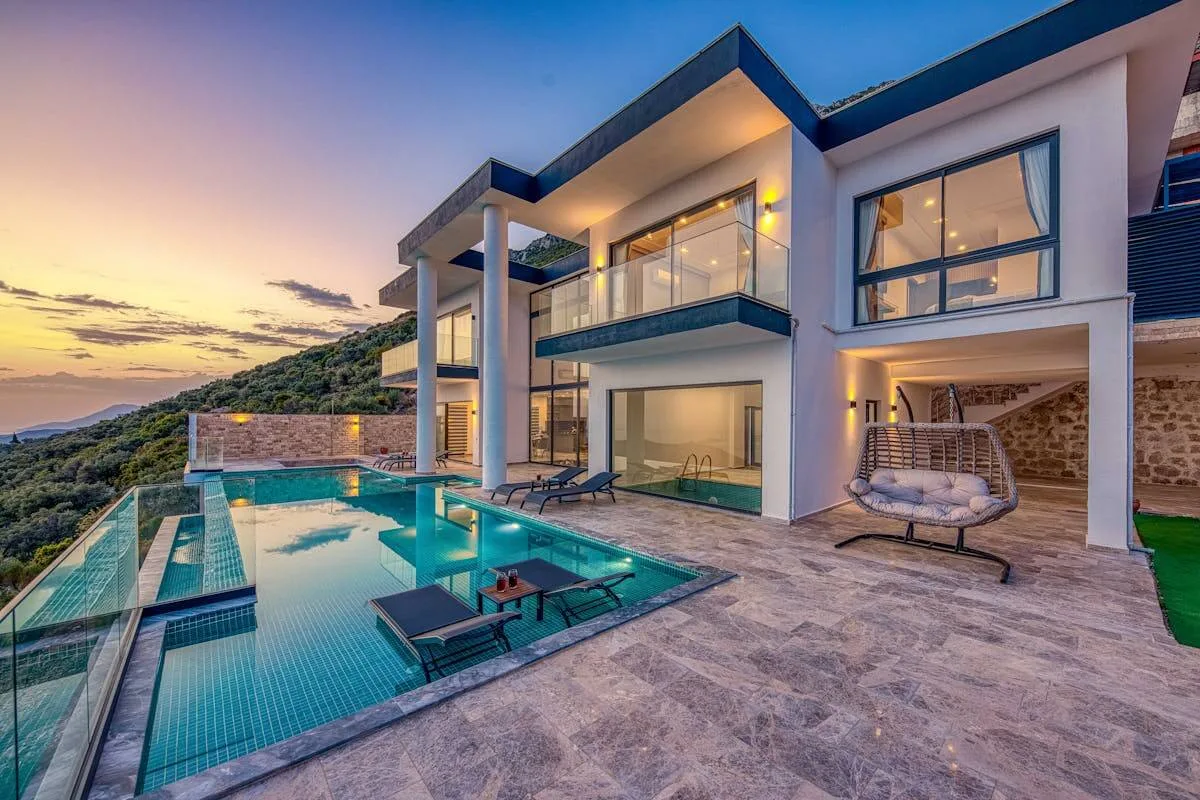 Melbourne’s housing landscape is becoming increasingly diverse — and so are the blocks people are building on. From steep slopes in the eastern suburbs to narrow inner-city parcels and awkward corner sites, many homeowners are realising that “standard” designs simply won’t work.
But challenging land doesn’t mean you must compromise. In fact, it’s often these unique blocks that inspire the most creative and rewarding designs. With the help of experienced custom builders in Melbourne, you can turn a tricky site into the highlight of your future home — not a limitation.
Whether the land slopes sharply, has unusual dimensions, or comes with strict overlays, the right design approach can unlock its full potential.
Understanding the block before the design begins
Every great home design begins with understanding the site. A thorough site analysis is essential before any drawings are created. This includes:
- The slope and natural fall of the land
- Orientation and how sunlight moves across the block
- Existing vegetation or trees to be preserved
- Soil conditions
- Drainage and access points
- Neighbouring structures and privacy considerations
Boutique home builders who specialise in complex sites know how to read the land like a blueprint. What appears to be a problem at first — like a steep slope — can actually become an asset with the right approach. Elevated views, split-level living, and architecturally striking façades often come from working with the land’s natural shape.
Design strategies for sloping blocks
Sloping blocks are common across many Melbourne suburbs, particularly in the north-east and outer east. While they can introduce extra challenges, they also offer opportunities that flat blocks simply don’t.
Some intelligent design strategies include:
Split-level layouts
Instead of cutting deeply into the land or creating an unnaturally flat platform, a split-level design allows the home to follow the natural contours. This can create dynamic interior spaces, interesting transitions, and excellent zoned living.
Retaining walls and outdoor tiers
With good planning, retaining can be integrated beautifully into landscaping. Tiered gardens, elevated decks, and terraced entertaining areas can create functional, visually impressive outdoor spaces.
Capitalising on views
Even a moderate slope can open up chances for elevated windows or balconies. Thoughtful design can provide outlooks that a flat block simply can’t offer.
Custom-built homes on slopes also lend themselves well to sustainable house design, using natural airflow and orientation to improve energy performance.
Smart design for narrow or awkwardly shaped blocks
Inner-city and established suburban areas are filled with tight lots or blocks that taper, widen unexpectedly, or sit on angles. Instead of restricting your ideas, they can inspire unique, innovative solutions.
Builders experienced with unusual sites often recommend:
- Maximising vertical space instead of horizontal space
- Clever window placement for privacy without sacrificing light
- Multi-purpose rooms that give flexibility where the footprint is limited
- Open-plan living to make smaller spaces feel larger
- Courtyards or voids to bring natural light into the centre of the home
- Custom storage to avoid clutter and maintain flow
Working with boutique home builders ensures that every square metre is thoughtfully considered — no wasted corners, no awkward dead zones, no cookie-cutter layouts.
Orientation and sustainability: letting nature do the heavy lifting
Challenging land often encourages smarter, greener design choices. When builders and designers work closely with the block, they can enhance natural performance rather than fight against it.
Key principles of sustainable house design include:
- Positioning living areas to the north for natural warmth
- Using eaves, shading, and glazing to control heat gain
- Cross-ventilation to reduce reliance on air conditioning
- High-performance insulation on tricky wall angles
- Making use of thermal mass where slopes allow for partial earth-sheltering
A skilled sustainable home builder will design a home that responds naturally to the conditions of the land, saving you money and improving year-round comfort.
Navigating overlays, regulations, and access challenges
Many blocks that are considered “difficult” come with overlays — bushfire, vegetation protection, heritage, or significant landscape controls. Others simply have poor access for trucks or limited space for temporary storage during construction.
This is where experience matters. Working with builders who frequently manage challenging sites can make an enormous difference. They understand:
- How to communicate with the council and prepare compliant plans
- How to minimise disruption during excavation
- What machinery is suitable when access is tight
- How to stage the build safely and efficiently
The right team ensures your project stays on schedule and on budget — even when the block isn’t straightforward.
Why challenging blocks lead to better homes
It may sound surprising, but some of Melbourne’s most impressive homes exist because the land forced creative thinking. Unique sites inspire unique solutions — and that often results in a home that feels more personal, more intentional, and more architecturally interesting.
Homes built on challenging blocks tend to have:
- Stronger indoor-outdoor relationships
- Smarter use of space
- Better natural light
- More character and individuality
- Greater resale appeal in the long run
With the right custom home builders, your block’s quirks become part of its charm.
Final thoughts
A challenging block isn’t a setback — it’s an opportunity. With thoughtful planning, practical design strategies, and the expertise of experienced boutique builders, you can create a home that’s perfectly matched to the land beneath it.
By embracing the site rather than reshaping it, you end up with a home that feels grounded, natural, and genuinely one of a kind.