
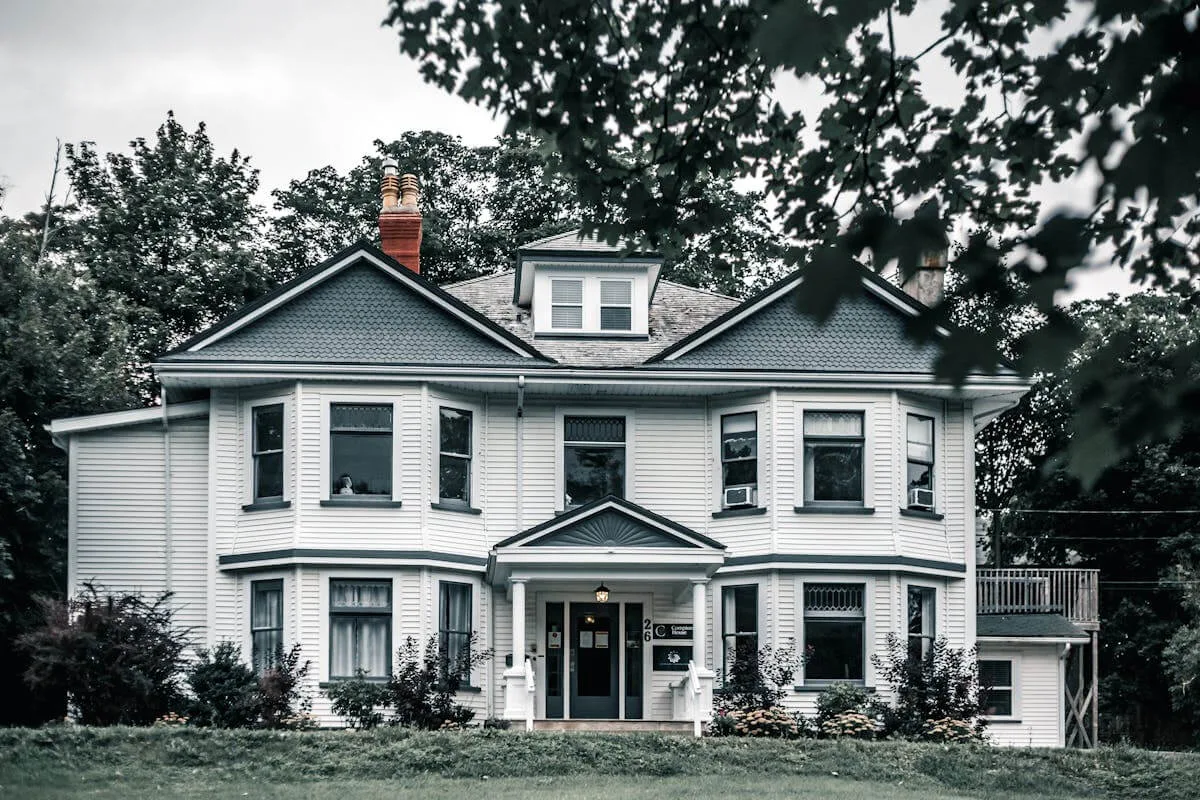
 Melbourne is filled with beautiful heritage and period homes — Victorian terraces, Federation cottages and charming weatherboard houses that hold decades of stories. Many families adore the character of these properties, yet eventually find themselves needing more space, better functionality or improved comfort.
The challenge is clear: how do you extend a period home without losing the charm that makes it special in the first place?
Thoughtful design, careful craftsmanship and collaboration with experienced period home builders in Melbourne can turn that challenge into something truly rewarding. A well-executed extension doesn’t overtake the original home — it complements it.
Understanding what makes a period home special
Before designing any extension, it’s important to identify what defines the home’s character. It’s rarely just one feature — it’s an overall sense of proportion, detail and craftsmanship.
Key elements often worth preserving include:
- Decorative verandas and fretwork
- Original fireplaces and mantels
- High ceilings with ornate cornices
- Leadlight windows or traditional sash windows
- Timber archways and hallway details
These details carry emotional weight as well as historical value. By respecting them, homeowners protect both the soul of the property and its long-term appeal.
Boutique home builders who specialise in heritage work know how to replicate, restore or transition from these details with subtlety — rather than simply replacing them.
Designing extensions that sit comfortably behind the original home
A common approach to period extensions is to place the new work primarily at the rear of the property. This allows the historic street-facing façade to remain largely untouched, preserving the look and feel of the neighbourhood. It also provides the freedom to introduce contemporary forms without visually competing with the original architecture.
Successful heritage extensions often:
- Keep the original rooms near the front intact
- Use the transition point — often the hallway — as a natural divide
- Introduce open-plan living, dining and kitchen spaces at the back
- Connect seamlessly to gardens and outdoor areas
This strategy allows both worlds to exist together: the nostalgic elegance of the front and the relaxed, functional living of the rear.
Where modern architecture adds value
Modern additions don’t have to mimic the past — and in many cases, they shouldn’t. Instead of creating a copy, designers aim for respectful contrast. Simple forms, clean lines and large glazing panels highlight the difference between eras while still feeling connected.
Contemporary extensions can add value through:
- Light-filled spaces that reduce reliance on artificial lighting
- Improved indoor–outdoor flow
- More efficient layouts and storage
- Energy-efficient glazing and insulation
- Kitchens and bathrooms that suit everyday life
The contrast between old and new often becomes one of the home’s most compelling features. Rather than seeing a clash, visitors experience a sense of layered history — something that only evolves over time.
Working with council rules and heritage overlays
Many heritage homes sit within protected overlays, which means extensions require careful planning and approval. These frameworks are not there to stop change entirely — they simply ensure alterations respect the broader streetscape.
Experienced building contractors in Melbourne help homeowners navigate:
- Heritage assessments
- Planning permit applications
- Structural assessments of older frames
- Material selections that meet compliance
- Construction methods suitable for ageing structures
Having professionals who understand both design intent and regulatory expectations can save time, stress and costly rework.
Creating a home that works for the next generation
The true purpose of extending a period home isn’t to create a museum — it’s to make the home liveable and enjoyable for many years ahead. When done thoughtfully, extensions allow families to stay in neighbourhoods they love, while enjoying all the conveniences of modern living.
Many homeowners choose to integrate:
- Multi-purpose living spaces
- Dedicated study zones
- Additional bathrooms or en-suites
- Better thermal performance
- Subtle accessibility considerations for future needs
In this way, the home continues evolving rather than being frozen in time.
Final thoughts
Blending old and new is both an art and a responsibility. When planned carefully and executed with craftsmanship, an extension can celebrate history rather than erase it — framing period details with spaces that feel comfortable, functional and distinctly contemporary.
Working with boutique builders who understand heritage design ensures that every decision — from rooflines to window profiles — is made with sensitivity and purpose. The result is a home that feels authentic, warm and deeply personal, carrying the past gracefully into the future.