
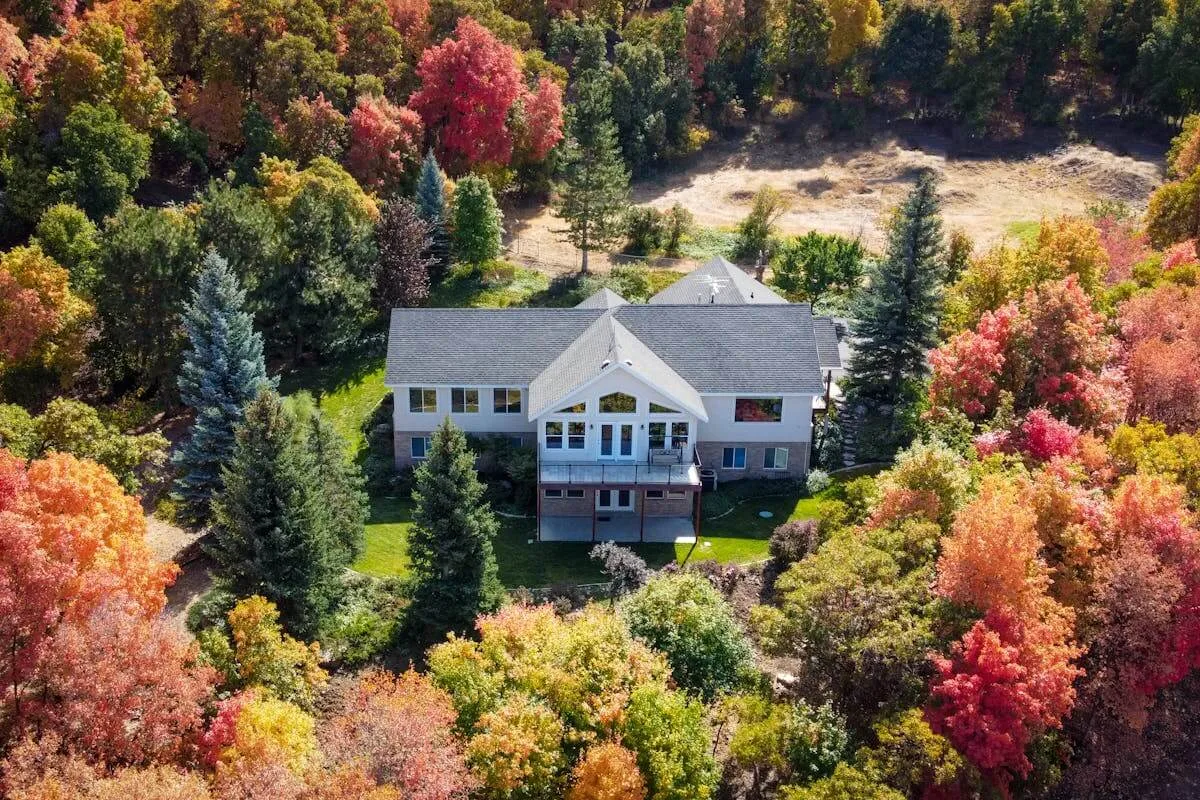
 Across Victoria, many beautiful parts of Melbourne sit close to bushland. These locations offer peace, privacy and stunning outlooks — but they can also come with bushfire risk. For anyone building in a designated Bushfire Attack Level (BAL) area, the process can feel complicated at first glance.
The good news? With thoughtful planning, experienced guidance and smart material choices, it’s entirely possible to build a home that feels warm, inviting and architecturally striking — while still meeting strict safety standards.
Modern bushfire-responsive homes aren’t bunkers. They’re carefully considered, elegant and incredibly resilient. And more than ever, custom home builders are proving that safety and beauty can coexist effortlessly.
Understanding what BAL actually means
BAL ratings are designed to assess the potential impact of a bushfire on your property. They consider factors such as vegetation type, slope, and proximity to bushland. The rating helps guide decisions around construction materials and design strategies.
Rather than being restrictive, BAL is there to protect families and ensure homes are built to withstand realistic risks. Once you understand the requirements, the design decisions become clearer — and often smarter.
Working with experienced builders who understand BAL guidelines makes the process far less daunting. They know how to balance compliance, budget and aesthetics from the very first concept drawing.
Smart design that reduces risk naturally
Building for bushfire resilience starts long before materials are chosen. Good design looks at how the home sits on the block, how wind and embers might travel, and where vegetation is placed.
Key principles include:
- Simple rooflines to reduce debris and ember traps
- Minimising gaps and crevices where embers could enter
- Positioning outdoor living areas thoughtfully away from high-risk vegetation
- Using landscaping as a buffer, rather than a hazard
- Designing clear access routes for emergency vehicles
Rather than fighting the landscape, modern bushfire-responsive homes work with it — blending functionality, safety and style.
Materials that perform beautifully under pressure
Today’s material choices make it possible to build homes that are both visually appealing and highly resilient. Many products are now specifically engineered to resist ember attack, radiant heat and flame contact.
Popular options include:
- Non-combustible cladding, such as fibre cement or masonry
- Metal or tiled roofing with ember-proof mesh
- Toughened or double-glazed windows with metal frames
- Bushfire-rated external doors
- Sealed vents and screened openings
These features do not need to look industrial or heavy. Thoughtful detailing and colour selection ensure the house remains welcoming and architecturally balanced — something boutique and custom builders understand well.
Landscaping plays a bigger role than most people think
Bushfire-aware design doesn’t stop with the house itself. Landscaping choices can significantly influence how a fire behaves around a property.
Practical strategies include:
- Maintaining a defendable space around the home
- Choosing low-flammability plants
- Positioning trees thoughtfully, not directly against the façade
- Using stone, gravel or concrete near the structure instead of heavy mulch
- Creating well-planned garden zones that slow ember travel
Done well, this type of landscaping actually enhances street appeal — proving that careful design can be both attractive and protective.
The sustainability connection
Interestingly, many bushfire-resilient homes also align naturally with sustainable house design. Homes built to reduce ember risk often feature excellent sealing, high-performance glazing and durable, energy-efficient materials.
Add thoughtful orientation, cross-ventilation and insulation — and the result is a home that is safer and cheaper to run.
For families looking ahead to long-term costs and environmental responsibility, working with a sustainable home builder can be an ideal match. Safety, comfort and efficiency become part of one cohesive strategy rather than separate considerations.
Balancing council approvals, design goals and practicality
Bushfire zones usually involve extra documentation, reports and approvals. While that can seem overwhelming, experienced teams handle most of the complexity behind the scenes.
They manage things like:
- Bushfire assessments and BAL reports
- Design revisions for compliance
- Product and material sourcing
- Ongoing communication with council and building surveyors
For homeowners, this means peace of mind — knowing the home is being designed not only beautifully, but correctly.
Safe doesn’t mean boring — it means thoughtful
Perhaps the biggest misconception is that BAL homes must be plain or overly utilitarian. In reality, some of Melbourne’s most striking architectural homes exist in bushfire-prone areas. Clean rooflines, strong materials and minimal detailing often create timeless, contemporary façades.
Inside, these homes feel open, warm and flooded with natural light. Outdoor spaces are inviting. And importantly, the home feels anchored — designed for the exact environment in which it sits.
That is the real power of good design.
Final thoughts
Building in a bushfire zone doesn’t mean compromising on beauty, comfort or individuality. It simply requires a smarter approach — one that respects the land, prioritises safety and celebrates thoughtful craftsmanship.
With the right design team and experienced boutique builders guiding the process, families can create homes that feel safe, sophisticated and deeply connected to their surroundings.