
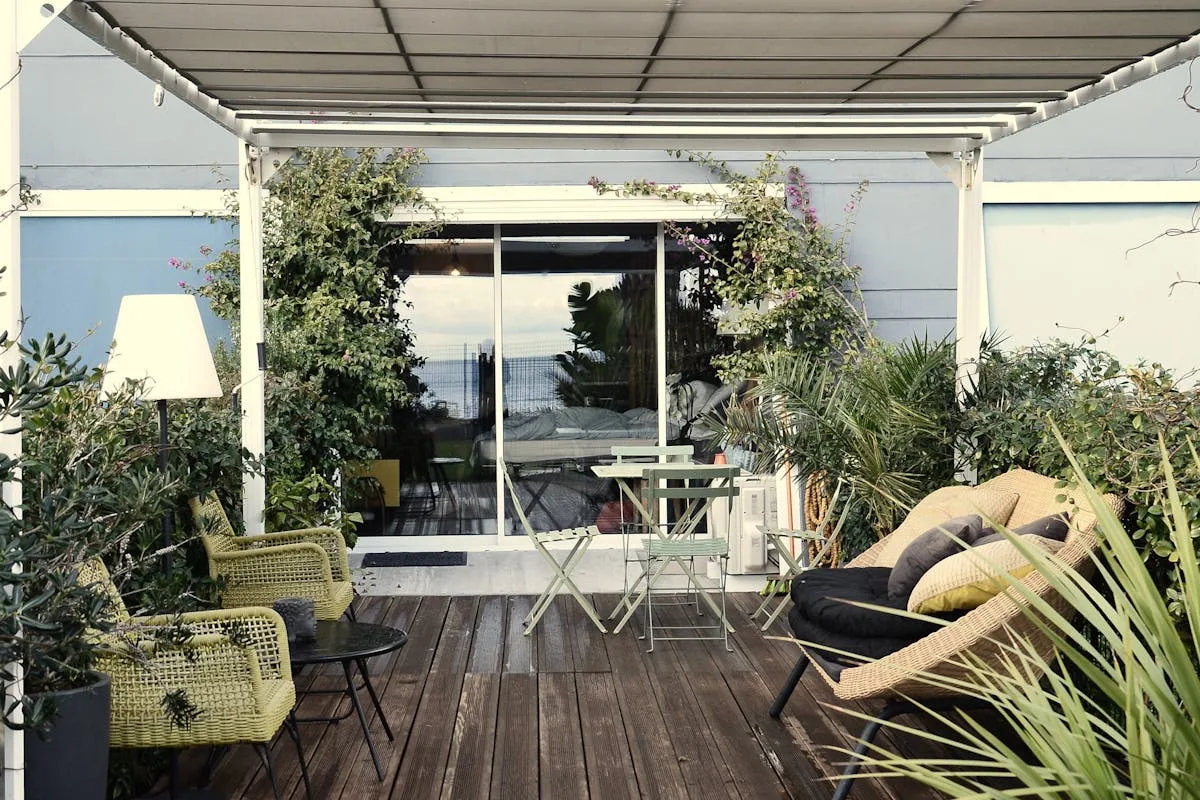
 Outdoor living has become an essential part of modern home design in Melbourne. With the city’s diverse climate and strong lifestyle culture, homeowners increasingly want outdoor areas that are comfortable, functional, and usable throughout the entire year. A well-designed outdoor living space can extend the usable area of a home, create a place for entertaining, and improve everyday comfort for families.
However, designing an outdoor space that works across all seasons requires thoughtful planning. Melbourne is known for its unpredictable weather, often experiencing multiple seasons in a single day. Because of this, outdoor areas must balance shelter, sunlight, airflow, and durability.
Experienced custom home builders understand that outdoor spaces should not feel like an afterthought. Instead, they should be integrated into the overall design of the home so that indoor and outdoor areas work together seamlessly.
Understanding Melbourne’s Climate
Before designing any outdoor living area, it is important to consider Melbourne’s unique climate. Summers can be hot and dry, while winters often bring cooler temperatures and rain. Strong winds can also affect outdoor comfort, especially in exposed locations.
This variety of conditions means outdoor spaces must provide protection without completely blocking natural light or ventilation. Covered patios, pergolas, and adjustable shading systems are commonly used to create flexible environments that adapt to changing weather.
Many builders Melbourne homeowners work with carefully position outdoor living areas to capture winter sun while offering shade during hotter months. Orientation plays a major role in achieving this balance, particularly when homes are designed from the ground up.
A north-facing outdoor living area, for example, can provide excellent sunlight in winter while remaining manageable with shading solutions during summer.
Creating a Seamless Indoor–Outdoor Connection
One of the most successful approaches to outdoor living design is creating a strong visual and functional connection between interior and exterior spaces.
Large sliding doors, stacking doors, and open-plan layouts allow living areas to flow naturally onto patios or decks. When these spaces are aligned properly, the outdoor zone effectively becomes an extension of the home’s living room or kitchen.
This connection makes entertaining easier and encourages families to use outdoor areas more frequently. Barbecue zones, outdoor kitchens, and comfortable seating areas can transform a backyard into a genuine living space rather than simply a garden.
Many boutique home builders focus on this relationship between architecture and lifestyle. By carefully planning floor plans and outdoor layouts together, they ensure that the transition between inside and outside feels natural and intuitive.
Weather Protection Without Losing Openness
To ensure outdoor spaces remain usable year-round, protection from the elements is essential. However, this protection should not make the area feel closed or disconnected from nature.
Pergolas with adjustable louvres are a popular solution because they allow homeowners to control sunlight and ventilation. On warm days, the louvres can be opened to allow airflow, while on rainy days, they can close to provide shelter.
Retractable awnings and outdoor blinds are another effective option. These can block wind and rain during colder months, but can be rolled away when the weather improves.
Covered alfresco areas attached directly to the home are also common in Melbourne. These structures provide permanent shelter while still allowing the space to remain open on one or more sides.
Experienced builders Melbourne residents rely on often combine multiple solutions to ensure outdoor areas remain comfortable regardless of changing weather conditions.
Choosing Durable Materials
Outdoor spaces must be built with materials that can handle exposure to sun, rain, and temperature changes. Durability is especially important in Melbourne’s climate, where conditions can shift quickly.
Decking materials such as hardwood timber, composite decking, or treated timber are often used for outdoor entertaining areas. These materials provide a natural appearance while offering long-term performance when maintained properly.
Stone pavers and concrete surfaces are also widely used because they are durable, low-maintenance, and resistant to weather damage.
Outdoor furniture, cabinetry, and cooking equipment should also be designed for external conditions. Stainless steel appliances, weather-resistant fabrics, and protective finishes help maintain the appearance and functionality of outdoor areas over time.
Many custom home builders now incorporate these durable materials from the beginning of the design process so that outdoor spaces remain attractive and functional for many years.
Lighting and Heating for Year-Round Comfort
Lighting and heating play a major role in extending the usability of outdoor areas beyond daylight hours and warmer seasons.
Soft ambient lighting can create a welcoming atmosphere for evening gatherings, while task lighting ensures cooking and dining areas remain practical after sunset.
Heating options such as outdoor gas heaters, built-in fireplaces, or electric radiant heaters can make outdoor entertaining comfortable even during cooler months. Fire pits have also become popular features because they provide both warmth and a social focal point.
Strategically placed lighting and heating allow outdoor spaces to remain functional well into the evening and throughout the year.
Sustainability in Outdoor Design
Sustainability is becoming an increasingly important factor in modern home design, and outdoor spaces are no exception.
A thoughtful, sustainable house design approach considers water usage, material choices, and environmental impact. Native plants and drought-tolerant landscaping can reduce water consumption while still creating attractive outdoor environments.
Permeable paving materials allow rainwater to filter into the ground rather than running off into drains. Rainwater tanks can also be integrated into garden irrigation systems.
Shade trees and greenery provide natural cooling, reducing the need for mechanical cooling systems during summer months. These strategies not only support environmental goals but also improve comfort and reduce long-term maintenance.
Many boutique home builders incorporate sustainable landscaping and outdoor features as part of a holistic approach to residential design.
Designing Spaces That Reflect Lifestyle
Ultimately, the most successful outdoor living areas are those that reflect how homeowners actually live. Some families prioritise entertaining and want large dining areas with outdoor kitchens, while others prefer quiet spaces for relaxation or gardening.
Children’s play areas, swimming pools, or outdoor lounges can all be integrated depending on household needs. The key is designing spaces that feel purposeful rather than decorative.
Professional custom home builders work closely with homeowners to understand their lifestyle goals and translate them into practical design solutions. By doing so, outdoor areas become meaningful extensions of the home rather than unused spaces.
Conclusion
Outdoor living spaces that function throughout the year require careful design, durable materials, and a clear understanding of Melbourne’s climate. When planned properly, these areas can significantly expand the comfort and usability of a home.
By integrating outdoor zones with interior spaces, incorporating weather protection, and embracing sustainable house design, homeowners can create outdoor environments that remain welcoming in every season.
With the guidance of experienced builders Melbourne residents trust and the creative input of skilled boutique home builders, outdoor living spaces can become one of the most enjoyable and valuable features of any modern home.