
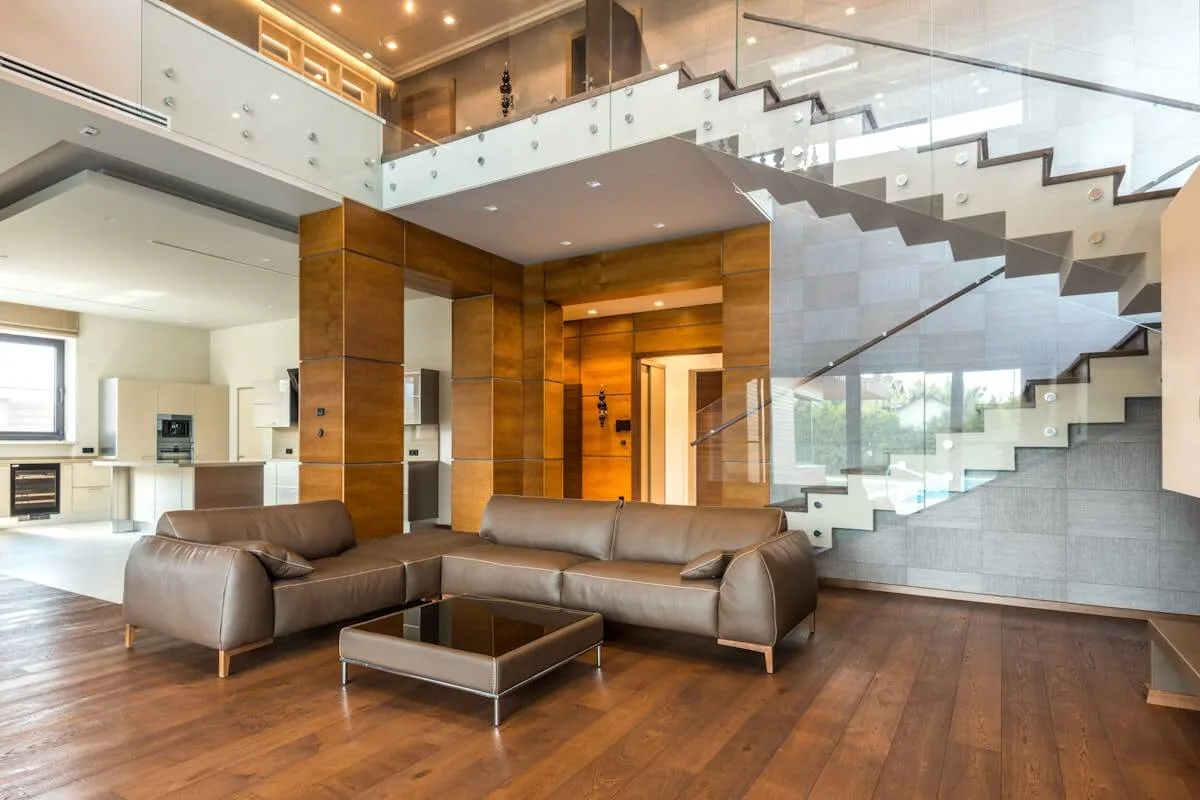
 Open-plan living has become the default choice for many Melbourne families — and for good reason. It creates light-filled spaces, encourages connection and suits busy, social households. But without thoughtful planning, open layouts can quickly become noisy, chaotic and lacking privacy.
The most successful family homes don’t choose between openness and privacy. They balance both. With the help of experienced custom home builders, families can enjoy shared spaces that bring people together while still allowing everyone room to retreat, focus and relax.
Understanding how families actually use space
Every family functions differently. Some households are loud and social, others value quiet and routine. Children grow, work-from-home becomes permanent, and daily schedules overlap.
Before design begins, good builders focus on how the home will truly be used. Questions often include:
- Who is home during the day?
- Are there competing noise activities happening at the same time?
- Is working or studying from home a priority?
- How important is separation between adults and children?
- Do guests regularly stay over?
Boutique home builders design around real routines — not idealised versions of family life.
Open-plan living that still feels controlled
Open-plan spaces don’t have to mean one large echoing room. Smart design introduces subtle boundaries that manage noise and movement without closing things off completely.
Effective techniques include:
- Slight level changes between zones
- Ceiling height variations to define spaces
- Strategic placement of furniture and joinery
- Partial walls or sliding screens
- Changes in flooring materials
These design choices allow families to enjoy openness while still maintaining structure and comfort.
Creating private zones within the home
Privacy is essential in family homes — especially as children grow older or multiple generations live together. Well-designed homes use zoning to separate quieter spaces from active areas.
Common zoning strategies include:
- Bedrooms located away from main living areas
- Adult retreats separated from children’s rooms
- Guest rooms positioned near secondary bathrooms
- Studies placed away from entertainment zones
- Secondary living areas for teenagers or quiet time
Custom builders understand that privacy isn’t about isolation — it’s about choice. A home should allow connection when desired and separation when needed.
Noise control without compromising style
Noise is one of the biggest challenges in open-plan family homes. Poor acoustics can make even beautiful spaces uncomfortable to live in.
Fortunately, noise control can be integrated seamlessly into design.
Builders often recommend:
- Acoustic insulation between bedrooms and living spaces
- Solid-core internal doors
- Soft finishes like rugs and curtains to absorb sound
- Careful placement of TVs and speakers
- Separate walls for plumbing-heavy areas like bathrooms and laundries
Experienced building contractors in Melbourne consider acoustics early in the design process, rather than treating it as an afterthought.
Designing for work-from-home and study needs
Many Melbourne families now require quiet spaces for work or study. Kitchen benches and dining tables can only do so much.
Thoughtful layouts often include:
- Dedicated home offices with doors
- Study nooks positioned away from noise
- Dual-purpose rooms that adapt throughout the day
- Sound separation between work zones and play areas
By planning for these needs upfront, families avoid costly changes later and create homes that support productivity without tension.
Indoor–outdoor flow as a pressure release
Outdoor spaces play an important role in managing noise and movement inside the home. Alfresco areas, decks and gardens give families additional zones to spread out and breathe.
Well-designed family homes often feature:
- Direct access from living areas to outdoor spaces
- Covered alfresco zones for year-round use
- Visual connection between indoor and outdoor areas
- Landscaped buffers for privacy and sound control
This connection reduces pressure on internal spaces and improves overall comfort.
Standard floor plans often struggle to handle the complexity of modern family life. They rely on assumptions about how people live, rather than listening to actual needs.
Working with custom builders Melbourne allows families to:
- Design layouts around their routines
- Plan noise control intentionally
- Balance shared and private spaces
- Adapt rooms for future stages of life
- Build homes that feel calm, not chaotic
Custom homes aren’t about luxury — they’re about liveability.
Planning for change over time
Family homes must evolve. Toddlers become teenagers. Spare rooms become offices. Quiet homes become busy — and sometimes the reverse.
Future-ready family homes often include:
- Flexible rooms with multiple uses
- Extra power and data points
- Spaces that can be closed off later
- Structural allowances for future changes
Good design anticipates change rather than reacting to it.
Final thoughts
Balancing privacy, openness and noise control is one of the most important aspects of family home design. When done well, a home feels supportive rather than stressful — a place where everyone can coexist comfortably.
With the guidance of experienced boutique builders, Melbourne families can create homes that adapt to daily life, respect personal space and still feel warm, connected and welcoming.