
 There’s something quietly frustrating about driving through a new estate and realizing you’ve already seen every house before — same rooflines, same facades, same layout flipped five different ways. In a time where convenience and mass production dominate the housing market, many buyers are left asking: Is this really the best we can do with our homes?
The rise of cookie-cutter housing developments has created suburbs that look more like cloned blueprints than communities with character. While there’s no denying their affordability or speed, what’s often sacrificed is uniqueness, functionality, and long-term liability. That’s where custom home building makes all the difference.
A custom home isn’t just a design – it’s a response. It responds to the land it’s built on, the way you live, the future you’re planning for, and the subtle ways your needs differ from the next family’s. Think about the way sunlight moves across your block, or the slope of your land. Think about a kitchen layout that works with how you actually cook, not just what fits a catalogue. A good custom build takes all of that into account—and gets it right.
That’s the real value of going custom: the freedom to make choices that suit *you*, not the median market demographic. Whether it’s extra storage, higher ceilings, or a home office tucked away from the noise, those decisions add up to something that doesn’t just look nice on handover day—it functions beautifully ten, twenty, even forty years later.
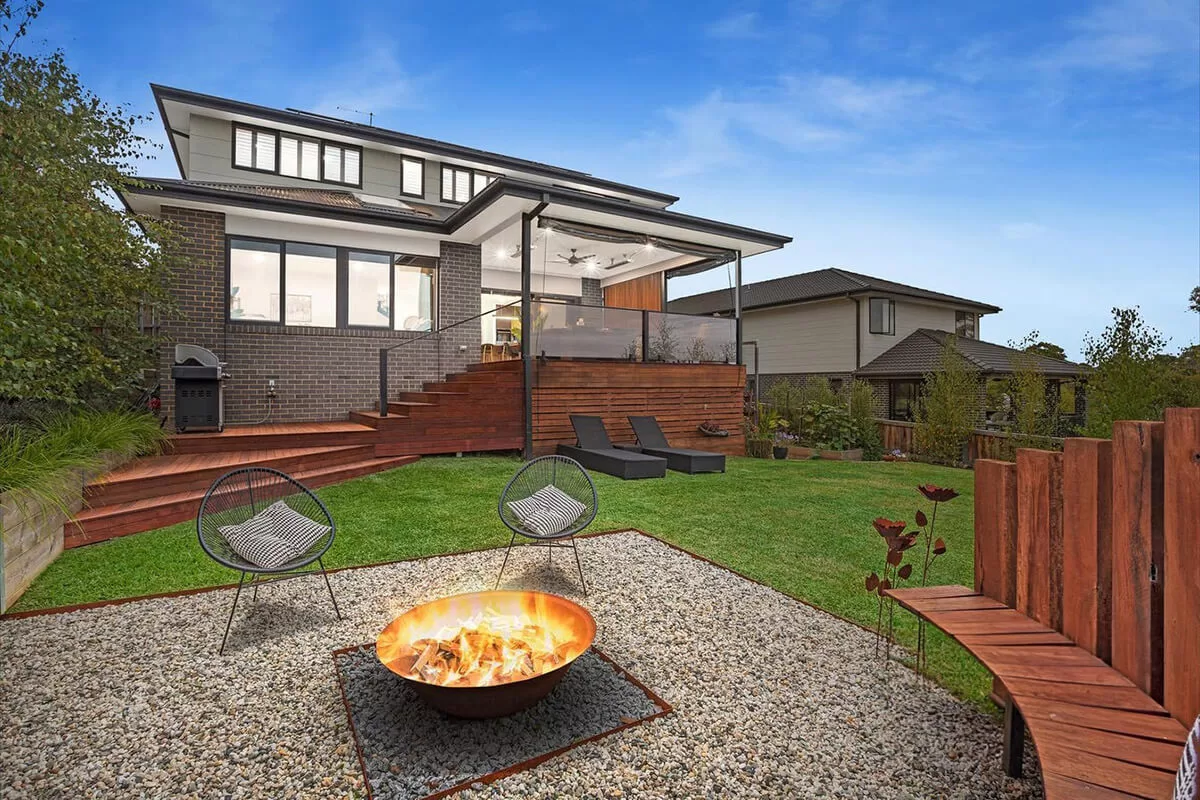
Consider something as specific as building on a sloping block. For many mainstream builders, it’s a red flag. Too hard. Too expensive. But for a builder who specializes in custom solutions, it’s an opportunity to create something exceptional. Multi-level designs, smart retaining solutions, and layouts that flow with the land instead of fighting against it—these are the things that transform a challenge into a feature.
Take a look at some of the homes built on sloping blocks by experienced builders. You’ll see thoughtful architecture, clever engineering, and spaces that make the most of the natural landscape. It’s a reminder that design should work *with* the land, not in spite of it.
And let’s talk lifestyle. Cookie-cutter homes aren’t designed for how you entertain, relax, or raise your family. They’re designed to hit price points. A custom home, on the other hand, gives you the freedom to build around the way you live now—and how you want to live in the future. Love alfresco dining? Make it central, not an afterthought. Need privacy between bedrooms? Adjust the layout to suit. Hosting guests regularly? Let’s add a second living area or a guest wing.
Even small custom touches—extra soundproofing, larger windows, better ventilation—contribute to a home that feels more comfortable, more personal, and more valuable over time. You can even build with energy efficiency in mind from day one. Orientation, insulation, glazing, solar readiness—these are all easier to get right when they’re integrated into the original design, not bolted on later.
If you’re still unsure, browse some real custom home projects and notice the difference in quality and creativity. Each one tells a different story because each one was built for a different person, family, or future. That’s something mass-produced homes simply can’t replicate.
Building a custom home takes a little more time and thought upfront, but the payoff is enormous. You’re not just choosing tiles and tapware—you’re designing a lifestyle, a space that grows with you, and a home that still makes sense decades from now. That kind of investment pays off not just in dollars, but in day-to-day happiness and long-term comfort.
So, if you’ve been scrolling through display home listings and everything’s starting to look the same, it might be time to ask a different question: What would a home built *just for you* look like? You might be surprised by how possible—and rewarding—that answer can be.
More than just a trend, the custom home movement is a quiet rebellion against the idea that one style fits all. It’s a statement that your home should reflect who you are—not just what’s available in a catalogue. That kind of authenticity can’t be pre-packaged. And when you walk into a space that was crafted with your needs, your land, and your future in mind, the difference is immediately clear. That’s the power of custom design—it just feels right.