
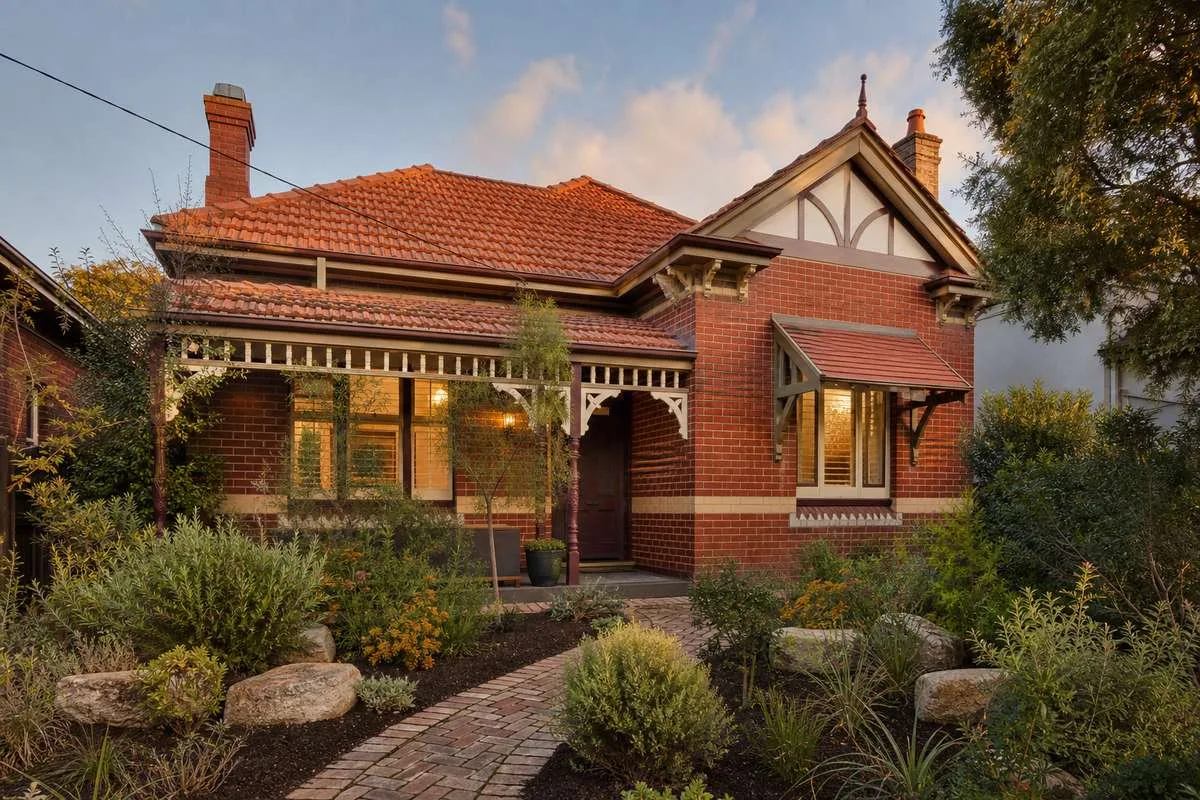
 Choosing a custom home builder is one of the most significant decisions a Melbourne homeowner will ever make. Whether you’re planning a knock-down rebuild in Brighton, a heritage restoration in Fitzroy, or a new custom build on a generous Balwyn block, the builder you select will shape not just your home but your entire experience over the months — or years — it takes to bring your vision to life. With hundreds of builders operating across metropolitan Melbourne, knowing how to separate the genuinely capable from the merely convincing is essential.
Check VBA Registration and Domestic Building Insurance
In Victoria, any builder undertaking domestic building work valued above $10,000 must be registered with the Victorian Building Authority (VBA). Before you sign anything, visit the VBA’s public register at vba.vic.gov.au and search your builder’s name or registration number. You’ll be able to confirm whether their registration is current, what class of work they’re licensed for, and whether any disciplinary action has been recorded against them.
Equally important is Domestic Building Insurance (DBI). Under Victorian law, builders must take out DBI for any domestic building work costing over $16,000 before they can accept a deposit. This insurance protects you if the builder dies, disappears, or becomes insolvent before completing the work. Ask for the DBI certificate before you pay a cent — a legitimate, experienced builder will have it ready without hesitation.
Read the Contract — Every Line of It
A building contract is a legal document that governs your entire project. In Victoria, any contract for domestic building work exceeding $10,000 must be in writing and comply with the Domestic Building Contracts Act 1995. Before signing, consider having an independent solicitor experienced in building law review the document. Key clauses to scrutinise include the schedule of inclusions (materials, fixtures, finishes, and specified brands), the construction timeline and progress payment stages, variation procedures, and the defects liability period.
Vague language is a red flag. Phrases like “materials of similar quality” or “finishes to be agreed” leave too much room for interpretation and can lead to costly disputes. A reputable builder won’t object to you seeking legal advice before signing — if anything, they’ll encourage it. Reading about common mistakes homeowners make when planning a custom build can help you go into contract negotiations with clear eyes.
Fixed-Price vs Cost-Plus: Understanding Your Options
One of the most common questions Melbourne homeowners ask is whether to choose a fixed-price or cost-plus building contract. A fixed-price contract locks in the total cost of your build (subject to approved variations), giving you budget certainty. This suits most homeowners undertaking a new custom home or a knock-down rebuild, where the scope is well defined. The builder carries the risk of cost overruns, which is why reputable builders price fixed contracts carefully and transparently.
A cost-plus contract means you pay the actual cost of labour and materials plus a set builder’s margin. This can work well for complex renovations and heritage extensions, where unforeseen conditions — like discovering original footings need underpinning — can alter scope significantly. The trade-off is less budget certainty, so insist on a realistic cost estimate and keep close track of expenditure throughout.
Visit Completed Projects and Ask for References
Any builder worth hiring will be proud to show you their finished work. Ask to visit at least two or three completed client homes in Melbourne suburbs similar to yours — not display homes, but real projects. Look at the quality of joinery, the precision of brickwork, and the handling of fine details like heritage verandah brackets or period-appropriate cornicing.
Speaking directly with past clients is equally valuable. Ask how the builder communicated during the project, whether the timeline was met, and how variations were handled. You can also browse the builder’s project portfolio to assess the breadth and consistency of their work across different home styles and Melbourne suburbs, from Kew to Camberwell to Northcote.
Questions to Ask in Initial Meetings
Your first conversations with a potential builder are as much about assessing their character as gathering information. Come prepared with specific questions:
- How long have you been building in Melbourne, and do you have experience with heritage overlays in councils like Stonnington, Boroondara, or Yarra?
- Who will be my primary contact throughout the build, and how often will I receive updates?
- Do you use in-house tradespeople or subcontractors, and how is subcontracted work quality-controlled?
- Can you walk me through your design and build process from initial consultation to handover?
A builder who listens carefully, answers without evasion, and takes time to understand your brief before talking about their capabilities is demonstrating exactly the kind of professional maturity that makes for a rewarding building relationship.
Warning Signs to Watch For
- Pressure to sign quickly or pay a large deposit before a contract is prepared
- Inability to produce VBA registration details or a current DBI certificate
- A price significantly below all other quotes with no clear explanation
- Evasiveness about subcontractors or unwillingness to provide references
- No verifiable completed projects in Melbourne and no meaningful online presence
- Suggestions that variations or changes can be handled verbally rather than in writing
Why a Long Track Record and Family Legacy Matters
There’s something meaningful about a builder with multi-generational roots in Melbourne. At Australian Heritage Homes, our 4th-generation heritage spans more than 40 years of building across the city — from Federation restorations in Hawthorn and Kew to Edwardian extensions in Camberwell, and contemporary new builds in Templestowe and Eltham. That longevity is evidence that clients have been satisfied enough to refer family, friends, and neighbours over decades.
A family builder with deep local knowledge understands the nuances of Melbourne councils, heritage overlays, and neighbourhood character requirements in ways that volume builders don’t. We also understand that your home is not a transaction — it’s a legacy. That perspective shapes everything from the initial design conversation to the finishing details at handover. If sustainability matters to you, our green and sustainable home design service integrates energy efficiency and heritage-compatible materials from the earliest design stage.
Choosing a custom home builder in Melbourne is ultimately about trust. Take your time, do your research thoroughly, and don’t be afraid to ask the hard questions. The right builder will welcome every single one of them.