
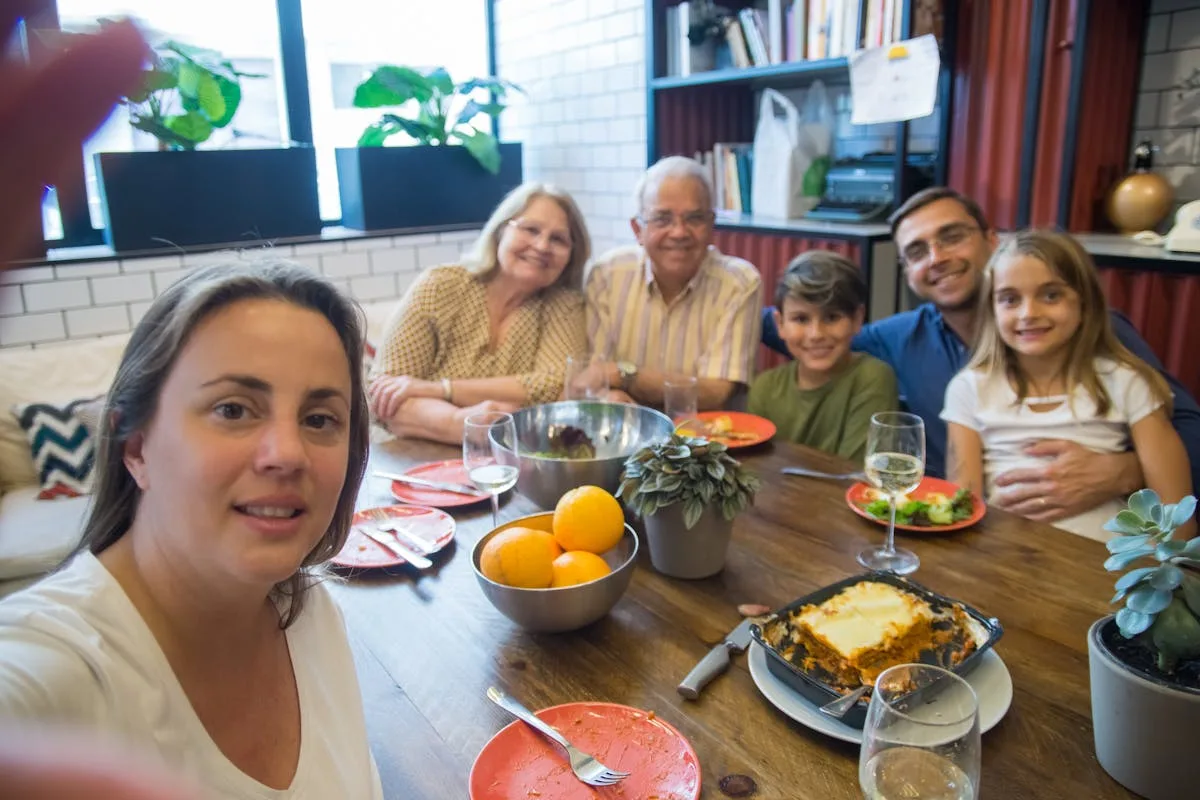
 Multi-generational living is becoming increasingly common across Australia, particularly in cities like Melbourne, where housing costs, lifestyle preferences, and family dynamics are evolving. Many households now include grandparents, adult children, or extended family members living together under one roof. While this arrangement offers emotional and financial benefits, it also requires thoughtful design to ensure everyone enjoys comfort, independence, and privacy.
Designing a home for multiple generations is not simply about making the house larger. It involves creating spaces that function harmoniously for people of different ages, routines, and lifestyles. Experienced custom home builders understand that flexibility, accessibility, and long-term usability are essential when planning these homes.
Balancing Togetherness and Privacy
One of the biggest challenges in multi-generational design is striking the right balance between shared spaces and private retreats. Families want to spend time together, but they also need areas where individuals can relax without interruption.
Well-designed homes typically include generous communal zones such as open-plan kitchens, dining areas, and living rooms. These spaces become the heart of the home, encouraging connection and daily interaction.
At the same time, separate living areas can provide much-needed quiet zones. For example, a secondary lounge, retreat, or media room allows different age groups to enjoy activities without disturbing others.
Many builders Melbourne families work with now incorporate layouts that divide the home into zones. Bedrooms may be grouped according to generations, with parents, children, and grandparents each having their own section of the house.
Independent Living Spaces Within the Home
Some families prefer a higher level of independence for older relatives or adult children. Self-contained areas within the home can offer privacy while maintaining close family connections.
These spaces may include:
- A bedroom with a private bathroom
- A small sitting area or private lounge
- A kitchenette for light meal preparation
- Separate entry access where possible
Such arrangements are particularly valuable for elderly parents who want autonomy but may still need occasional support. They also work well for young adults saving for their own homes or family members who stay long-term.
Experienced boutique home builders often design these zones so they can adapt over time. What begins as a grandparent’s suite could later become guest accommodation, a home office, or a rental space.
Accessibility and Future-Proof Design
Multi-generational homes must consider mobility and accessibility, especially when older family members are involved. Features that improve safety and comfort can also benefit all occupants over the long term.
Important accessibility considerations include:
- Step-free entry points and wider doorways
- Ground-floor bedrooms and bathrooms
- Walk-in showers instead of raised bathtubs
- Non-slip flooring materials
- Good lighting throughout circulation areas
Planning for accessibility from the beginning is far easier and more cost-effective than retrofitting later. Many custom builders Melbourne homeowners rely on specialise in future-proof design, ensuring homes remain functional as family needs evolve.
These features are not only practical but can also enhance resale value, as more buyers look for homes that accommodate ageing in place.
Flexible Layouts That Adapt Over Time
Family structures rarely remain static. Children grow up, parents retire, and living arrangements change. A successful multi-generational home should be able to adapt without requiring major renovations.
Flexible design strategies might include:
- Rooms that can serve multiple purposes
- Sliding or partition walls to adjust space size
- Convertible studies that can become bedrooms
- Outdoor areas designed for varied uses
Open-plan living areas are often combined with flexible secondary spaces to create this adaptability. Skilled home builders understand how to design layouts that evolve alongside the family rather than becoming outdated.
Outdoor Spaces for Shared Living
Outdoor areas play an important role in multi-generational homes by providing additional room for relaxation and socialising. Gardens, patios, and alfresco dining zones can accommodate large family gatherings while offering space for children to play safely.
Thoughtful landscaping can also create quiet corners for reading or reflection, ensuring outdoor environments cater to different preferences.
Incorporating greenery, shade structures, and comfortable seating helps transform the backyard into an extension of the home. Many building contractors Melbourne residents trust integrate outdoor living into the overall design rather than treating it as a separate feature.
Sustainability and Long-Term Efficiency
Homes occupied by larger families typically consume more energy and water, making sustainability an important consideration. A well-planned, sustainable house design can reduce running costs while improving comfort for everyone.
Energy-efficient features might include:
- High-performance insulation and glazing
- Solar panels and energy-efficient appliances
- Rainwater harvesting systems
- Passive solar orientation for heating and cooling
A knowledgeable sustainable home builder can incorporate these elements seamlessly into the design, ensuring the home remains economical and environmentally responsible over time.
Sustainable features also contribute to healthier indoor environments, which is particularly important when accommodating both young children and elderly residents.
Emotional Benefits of Living Together
Beyond practical considerations, multi-generational homes offer significant emotional advantages. Daily interaction between generations can strengthen family bonds, provide childcare support, and reduce feelings of isolation among older adults.
Grandparents often play an active role in family life, while children benefit from close relationships with extended relatives. Shared living can also provide peace of mind, knowing loved ones are nearby when needed.
When thoughtfully designed, these homes foster both independence and connection, creating a supportive environment for all occupants.
Conclusion
Designing a home for multi-generational living requires careful planning, creativity, and a deep understanding of family dynamics. Privacy, accessibility, flexibility, and sustainability must all work together to create a comfortable environment for people at different life stages.
By working with experienced custom home builders and trusted boutique home builders, families can create homes that support shared living without sacrificing personal space. Skilled builders Melbourne residents rely on understand how to balance practical requirements with long-term adaptability.
Ultimately, a well-designed multi-generational home is more than just a large house — it is a thoughtfully crafted space that nurtures relationships, supports independence, and provides comfort for many years to come.