
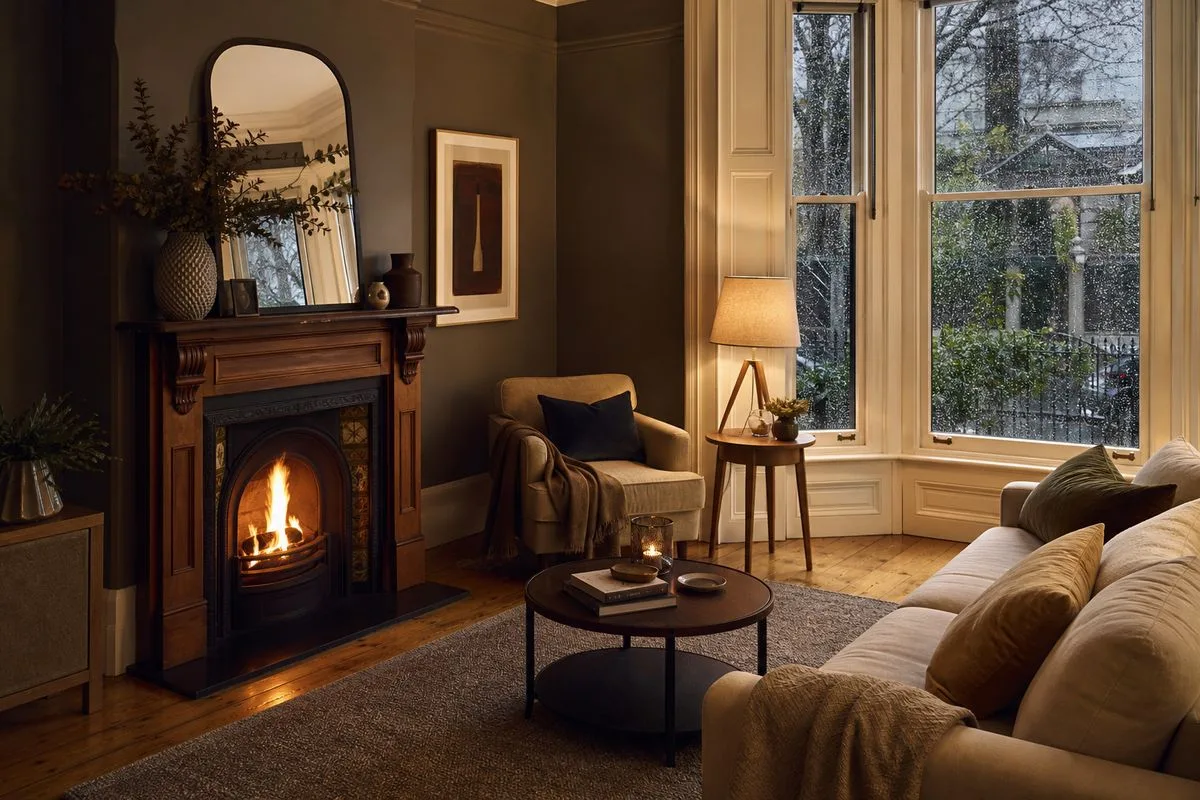
 Melbourne winters are notorious — grey skies, biting winds, persistent drizzle and temperatures that hover between 6 and 14 degrees for months on end. For anyone who’s shivered through winter in a draughty older home with single-glazed windows and minimal insulation, the appeal of a purpose-built, winter-ready custom home is hard to overstate.
At Australian Heritage Homes, we design and build homes that perform beautifully in every Melbourne season — and winter comfort is one of the most important considerations in our design process. With over 40 years of building experience across four generations, we know exactly what it takes to create a home that stays warm, dry and comfortable when the temperature drops.
Why Melbourne Homes Need to Be Designed for Winter
Unlike cities further north, Melbourne’s climate demands homes that actively manage cold, moisture and wind. The city experiences cold fronts sweeping in from the Southern Ocean, high rainfall across winter and spring, and significant temperature swings — it’s not unusual for Melbourne to experience a 15-degree range in a single day.
Many older Melbourne homes — particularly weatherboard and unrenovated brick homes from the early to mid-20th century — were built with little consideration for thermal performance. Draughts around windows and doors, uninsulated walls and subfloors, and single-glazed glass mean these homes lose heat almost as fast as it’s generated.
Building a custom home gives you the opportunity to address thermal performance from the ground up — literally.
Insulation: The Foundation of Winter Comfort
Insulation is the single most important factor in keeping a Melbourne home warm in winter (and cool in summer). In a custom build, you have full control over insulation specification — and going beyond minimum code requirements is one of the smartest investments you can make.
Key insulation areas to consider:
- Ceiling and roof insulation — heat rises, so high-performance ceiling insulation (R5.0 or above) is essential. This is often the most cost-effective insulation upgrade
- Wall insulation — insulated wall cavities or insulated cladding systems keep the cold out of living spaces. For brick veneer homes, cavity wall insulation (R2.5+) makes a significant difference
- Subfloor insulation — particularly important for homes with elevated timber floors, which are common in heritage-style builds. Underfloor insulation stops cold air from rising through the floor
- Slab edge insulation — for homes built on concrete slabs, insulating the slab edge prevents the concrete from acting as a thermal bridge to the cold ground
Our sustainable home design approach incorporates high-performance insulation as standard, ensuring your home meets or exceeds NatHERS energy rating requirements.
Glazing: Double or Triple for Melbourne’s Climate
Windows are typically the weakest thermal link in any home. In Melbourne, upgrading from single to double glazing can reduce heat loss through windows by up to 50 per cent. Key glazing considerations include:
- Double-glazed windows with low-E (low emissivity) glass — the gold standard for Melbourne homes, reflecting heat back into the room while allowing natural light through
- Thermally broken aluminium or timber frames — the frame material matters as much as the glass. Thermally broken frames prevent cold transferring through the window frame itself
- Argon-filled cavities — the gas between double-glazed panes provides better insulation than air alone
- Strategic window placement — large north-facing windows capture winter sun for passive solar heating, while smaller south-facing windows limit heat loss
For heritage-style homes, double-glazed timber sash windows maintain authentic period aesthetics while delivering modern thermal performance — a speciality of our new home builds.
Heating Systems: Choosing the Right Approach
With a well-insulated and sealed building envelope, your heating system doesn’t need to work as hard — which means lower energy bills and more consistent comfort. Popular heating options for Melbourne custom homes include:
Hydronic heating: Often considered the gold standard for heritage and custom homes. Hot water circulates through radiator panels or underfloor pipes, providing gentle, even warmth without the dryness or noise of ducted systems. Hydronic underfloor heating beneath timber or tile floors is particularly luxurious.
Reverse-cycle split systems: Highly efficient and versatile, modern split systems can heat individual rooms or zones precisely. They’re cost-effective to run and provide cooling in summer.
Ducted reverse-cycle: For whole-of-home climate control with a discreet installation, ducted systems deliver heated air through ceiling or floor vents across multiple zones.
Fireplaces: Nothing says Melbourne winter like a real fireplace. Modern gas fireplaces offer the ambiance of an open fire with far greater efficiency and no ash. For period-style homes, a fireplace with a traditional mantel and decorative surround becomes a stunning focal point.
Draught Sealing and Airtightness
Even the best insulation and heating system will underperform if the building envelope is leaky. In a custom build, draught sealing is designed in from the start:
- Weather seals around all doors and windows
- Sealed penetrations where pipes, cables and ducts pass through walls and floors
- Airtight membranes in walls and ceilings to prevent uncontrolled air leakage
- Quality construction — tight joints, well-fitted frames and attention to detail during the build eliminate the gaps that cause draughts
Passive Solar Design: Free Heating From the Sun
Melbourne’s winters are cold but also sunny — the city averages over 5 hours of sunshine per day even in the depths of July. A well-oriented custom home can capture this free energy through passive solar design principles:
- North-facing living areas with generous glazing to capture low winter sun
- Thermal mass (concrete slabs, brick internal walls) to absorb heat during the day and release it slowly through the evening
- Eaves and shading designed to allow winter sun in while blocking harsh summer sun
- Dark-coloured flooring in north-facing rooms to maximise heat absorption
When combined with good insulation and airtightness, passive solar design can dramatically reduce heating costs and keep your home comfortable with minimal energy input.
Build a Home That Loves Melbourne Winter
A knock-down rebuild or new custom home is your chance to leave cold, draughty winters behind for good. With the right insulation, glazing, heating and design, your home can be a warm, cosy retreat no matter what Melbourne’s weather throws at it.
Explore our featured projects to see how we blend heritage character with modern thermal performance, or get in touch about our build process to start planning your winter-ready dream home.