
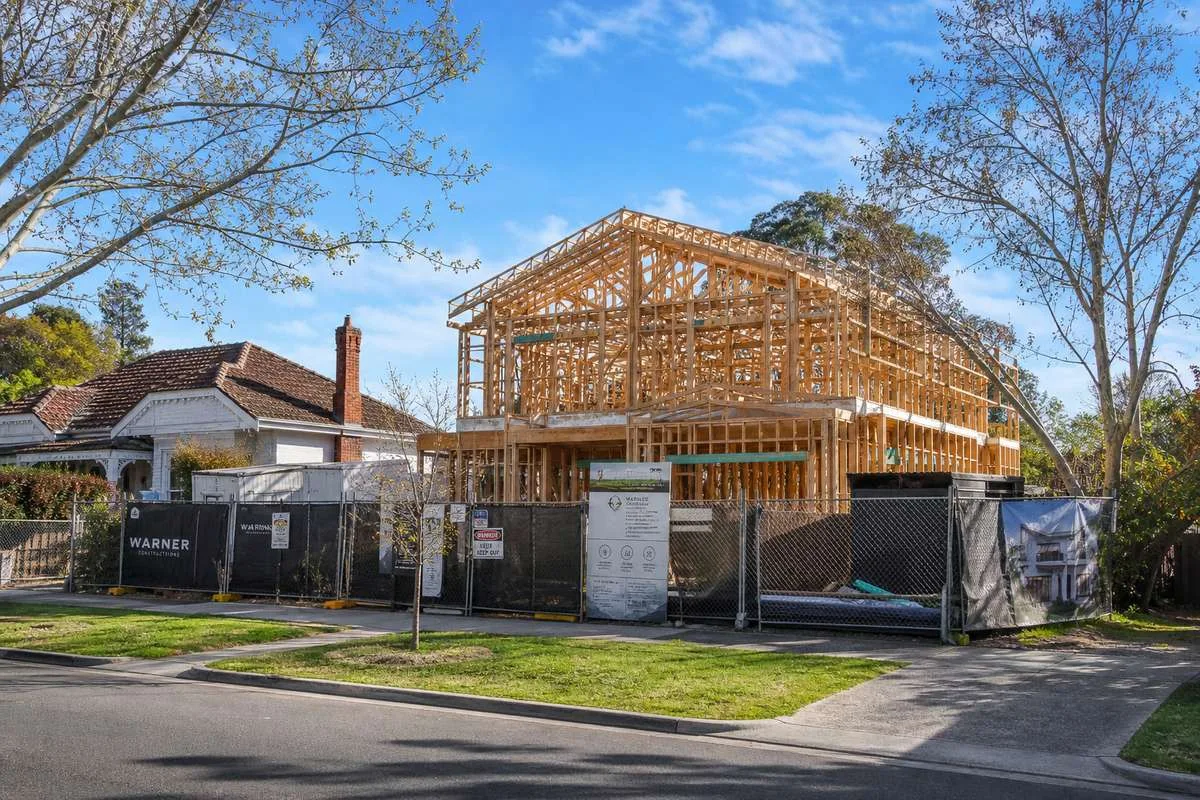
 Spring is the busiest time of year on Melbourne building sites, and for good reason. The ground has begun to dry out, the days are longer, trades are moving into their most productive months, and a project that breaks ground in September or October has a genuine chance of being weathertight before the following winter. If you have been thinking about a custom home, renovation or knock-down rebuild, this is the season when planning turns into progress.
After four generations building in Melbourne, we have learned that the projects which run smoothly through spring and summer are the ones where the groundwork — the paperwork, the decisions, the site preparation — was finished before the first excavator arrived. Here is how to make the most of the season.
Why the Spring Start Matters in Melbourne
Melbourne’s reactive clay soils, common through the eastern and northern suburbs, hold water through winter. Excavating and pouring footings into saturated ground invites delays, extra cartage and remediation costs. By September the profile is usually drying, which makes site cut, drainage and slab work faster and cleaner.
The bigger prize is the sequence that follows. A frame up by November and a roof on by December means the wet trades — plastering, tiling, painting — run through the warm, dry months when drying times are short. Projects that reach lock-up before autumn avoid the stop-start rhythm that frustrates so many homeowners.
What to Have Finished Before You Break Ground
- Planning permit (where required) issued and any conditions understood, particularly in heritage overlay areas.
- Building permit issued by a registered building surveyor, with soil report, energy rating and engineering complete.
- Fixed-price contract signed, with a clear schedule of allowances and a documented variation process.
- Finance approved and construction drawdowns arranged with your lender.
- Selections locked — tiles, tapware, joinery, flooring, external cladding and colours. Late selections are the leading cause of avoidable delay.
- Service connections applied for: power, water, sewer, gas or all-electric provisions, and NBN.
- Site logistics agreed: fencing, site toilet, waste bins, tree protection zones, parking and neighbour notification.
We walk clients through each of these stages in our initial design and build process, and the sequencing detail matters as much as the items themselves.
Site Preparation Specific to Older Melbourne Blocks
Established suburbs bring their own considerations. Mature trees on or near the block may be protected by council’s significant tree provisions, and a tree protection zone will constrain where machinery can travel and where footings can sit. An arborist report is often required and always worth having early.
Older sites frequently contain buried surprises — disused septic tanks, redundant service lines, old concrete slabs and fill from previous works. Asbestos in eaves, sheeting or old fencing must be identified and removed by a licensed contractor before demolition. For knock-down rebuild projects, demolition also requires its own permit and, in some councils, a report and consent for works over or near easements.
Narrow inner-city blocks in suburbs such as Fitzroy, Northcote and Prahran add access constraints. Crane hire, road occupancy permits and delivery scheduling all need to be planned rather than improvised.
Managing Weather Risk
Spring in Melbourne is unpredictable, and a good builder plans for it rather than hoping. Practical measures include temporary site drainage and silt fencing to keep the cut workable, staging deliveries so materials are not sitting in the weather, protecting exposed framing with wrap as soon as it is up, and holding a realistic allowance of inclement weather days in the program.
Ask your builder how weather delays are handled contractually. A transparent answer, with the extension-of-time provisions explained up front, tells you a great deal about how the whole project will be managed. Our earlier article on choosing a custom home builder covers the questions worth asking before you sign.
Trades, Materials and Booking Ahead
Spring is when the best trades fill their calendars. Bricklayers, roof plumbers and joiners in particular are booked months ahead through the peak season. A builder with long-standing trade relationships — the kind built over decades rather than tender rounds — will hold your slots. Lead times on windows, custom joinery and imported tiles also lengthen at this time of year, which is precisely why locking selections early protects the program.
Living Arrangements and Neighbours
If you are staying on site during a renovation, agree in advance which rooms remain in use, how the site will be separated, and what the working hours are. If you are moving out, secure the lease before the build starts and build a buffer into the end date — a month of overlap costs far less than a month of emergency accommodation.
A short, friendly note to neighbours before work begins is one of the highest-value things you can do. Explaining the scope, the expected duration and who to contact prevents most complaints before they start.
Use the Season Well
If your project is still at concept stage, spring is not too late — it is the ideal moment to begin design so that documentation and permits are complete for an early-year start. If you already have permits in hand, now is the time to finalise selections and lock a construction date.
See what a well-planned project looks like in our featured projects, learn more about crafting your dream home, or browse our services to start the conversation.